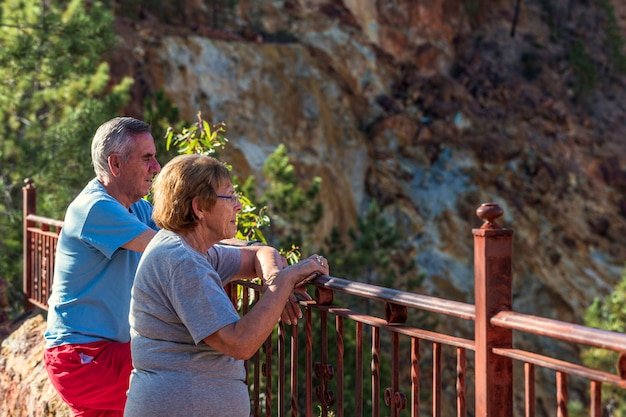
Retirement offers a special opportunity to reshape your life around what truly brings you joy. For nature lovers, it is often a time to immerse in tranquil landscapes, fresh air, and outdoor activities that nurture both body and mind. Choosing the right location can profoundly shape your experience, influencing everything from daily wellness to your long-term financial stability. In this guide, we explore ten of the best places to retire if nature is calling your name, sharing insights into lifestyle, affordability, healthcare access, and community life.
While everyone’s definition of paradise varies, what connects these destinations is their natural beauty, slower rhythm, and opportunities for outdoor adventure. Whether you hope to hike in pine forests, sail calm lakes, or simply enjoy sunsets from your porch, this list can help you plan a retirement that embraces both serenity and smart living.
1 / 10Asheville, North Carolina
Nestled in the Blue Ridge Mountains, Asheville blends mountain serenity with vibrant culture. Retirees enjoy an active lifestyle through hiking, kayaking, and volunteering in local parks. The town’s cost of living sits slightly above the national average, but no state estate tax and reasonably priced healthcare balance the equation. Median home prices hover around $450,000, with smaller condos offering more affordable options. Many retirees also appreciate the presence of Mission Health System, ranked among the best regional hospitals in the Southeast.
For those seeking a mid-stage retirement home base, Asheville’s mild seasons allow year-round outdoor activity. Early retirees might enjoy joining local co-ops and farmers markets, while later retirees find comfort in reliable healthcare and senior services. The key is to blend enjoyment with practical planning such as exploring property tax rebates for seniors that can save hundreds yearly.
2 / 10Bend, Oregon
Famous for its pristine rivers and volcanic surroundings, Bend attracts retirees eager for an active, sustainable lifestyle. Although real estate prices—median near $700,000—can seem high, Oregon’s lack of sales tax and discounted energy programs for seniors offset some costs. With over 300 days of sunshine each year, it’s ideal for retirees who love fishing, hiking, and cycling.
At different retirement stages, Bend offers flexibility. Those in the early years may take seasonal part-time work in outdoor tourism, which provides meaningful community engagement and supplemental income. Later retirees often downsize to one-story townhomes near medical facilities like St. Charles Bend Medical Center. Before relocating, consult a financial advisor to assess how Oregon’s income tax may affect your retirement distributions.
3 / 10Prescott, Arizona
Prescott’s high-desert climate keeps winters mild and summers pleasant, avoiding the extreme heat of southern Arizona. With lakes, national forests, and historic town charm, Prescott provides nature-loving retirees with a balanced setting. The cost of living is about 5% lower than the U.S. average, and Arizona’s relatively low property taxes help stretch retirement funds.
Outdoor enthusiasts find dozens of hiking trails only minutes from town. Healthcare options, including Yavapai Regional Medical Center, ensure peace of mind. Prescott’s small-town community encourages volunteering, art classes, and continuing education through Yavapai College, enriching retirees’ social networks.
4 / 10Burlington, Vermont
Set on Lake Champlain with distant mountain views, Burlington appeals to retirees seeking four seasons of natural beauty. While housing averages around $475,000, Vermont residents benefit from quality public healthcare access and strong environmental protections. Burlington’s commitment to renewable energy and green living makes it a top choice for eco-conscious retirees.
Retirees at later stages appreciate Burlington’s efficient public transit and accessible downtown. Its smaller size fosters a tight-knit community where neighbors genuinely care. Over time, many move from rural properties to in-town apartments within walking distance of groceries and cultural activities. Making this move early can simplify aging in place.
5 / 10Bozeman, Montana
Bozeman offers majestic scenery and a thriving outdoor scene. Close to Yellowstone National Park, this city provides endless hiking, fishing, and wildlife-watching opportunities. Median home prices are approximately $650,000, reflecting Bozeman’s desirability. While that is higher than many smaller towns, Montana’s absence of sales tax and moderate income tax rates help offset expenses.
Many retirees initially rent before buying, testing winters and assessing proximity to healthcare at Bozeman Health Deaconess Hospital. Those on fixed incomes find benefits in joining local recreation programs that provide senior discounts for skiing and park access. If you’re concerned about isolation, neighborhood groups in Bozeman frequently organize sunrise walks and photography meetups, promoting social connection.
6 / 10Traverse City, Michigan
Known for its lakes, wineries, and cherry orchards, Traverse City delights nature-loving retirees with its varied terrain. Lake Michigan provides sailing, swimming, and fishing access, while the surrounding trails encourage cycling and birdwatching. With a median home around $370,000 and relatively low property taxes, Traverse City offers both beauty and balance.
Michigan’s tax treatment of retirement income, including partial exemptions on pensions and IRAs for older retirees, may benefit long-term planners. Seek guidance from a local financial professional before estimating your taxable income. Community amenities like the local senior center and cultural festivals make it easy for new residents to settle in and form friendships. Traverse City’s economy supports part-time retirement employment in tourism and hospitality, ideal for those wishing to stay active.
7 / 10Santa Fe, New Mexico
Santa Fe combines desert landscapes, mountain backdrops, and centuries-old cultural traditions. It appeals strongly to retirees drawn to art, hiking, and spirituality. The city averages 300 sunny days a year, promoting outdoor wellness. Cost of living is slightly above average, but New Mexico’s property taxes are about 40% below the national median, which can make long-term living surprisingly affordable.
Healthcare systems like CHRISTUS St. Vincent Regional Medical Center and senior programs at the University of New Mexico ensure medical and educational support. Early retirees may buy homes just outside city limits to enjoy larger lots, while older retirees sometimes prefer smaller condos in the Canyon Road area for activity without upkeep stress. Consider joining hiking groups early to build a support network that eases transitions into later retirement years.
8 / 10Bellingham, Washington
Between Seattle and Vancouver lies Bellingham, a peaceful coastal community surrounded by forests and mountains. Retirees here enjoy kayaking, whale watching, and moderate summers. Washington has no state income tax, making it particularly appealing to those with higher retirement distributions. However, housing costs near the waterfront can exceed $600,000, so exploring nearby neighborhoods like Fairhaven or Birchwood can improve affordability.
Bellingham’s healthcare system is robust, with PeaceHealth St. Joseph Medical Center providing regional specialty care. Retirees who love proximity to nature appreciate that 42% of the city’s area is dedicated to parks and green spaces. Those entering mid-career retirement often transition slowly, maintaining consulting roles or online work while savoring flexible schedules with coastal walks or day trips to Mount Baker.
9 / 10Durango, Colorado
Set against the San Juan Mountains, Durango boasts enchanting landscapes year-round. Beyond its scenic railway and vibrant downtown, retirees delight in mountain biking, river rafting, and volunteering at local environmental organizations. Average home prices near $550,000 are complemented by Colorado’s senior property tax deferral program, which allows qualifying homeowners to delay taxes until the property sells. This can significantly ease cash flow.
Durango’s smaller population promotes strong connections and safety. Early retirees can explore seasonal rental options or shared ownership properties, ideal for splitting costs while maintaining adventure. Later-stage retirees often relocate closer to town for access to Merciful Heart Medical Center. The combination of small-town friendliness and wilderness immediacy defines Durango’s appeal.
10 / 10Bar Harbor, Maine
Bar Harbor, gateway to Acadia National Park, is a dream for retirees who thrive near ocean and mountain vistas. It provides a true four-season experience, from brilliant autumns to quiet winters ideal for reflection. With median home values around $500,000, it sits below many other coastal destinations. Maine’s pension income exclusion and moderate living costs help preserve retirement savings.
Bar Harbor’s community is compact, encouraging walking and connection. Outdoor volunteer programs in Acadia offer meaningful ways to remain active while giving back. Healthcare access is solid through MDI Hospital, and statewide elder programs simplify long-term care planning. For those in early retirement phases, summer rentals or small cottages let you test the lifestyle before committing. Later retirees often transition to living year-round, cherishing community closeness and scenic calm.
The best destination balances financial sustainability with personal joy. Consider your health, family proximity, and budget timing before making the final move. Visiting each area in multiple seasons reveals practical realities beyond their postcard beauty, such as cost-of-living shifts and climate comfort. Retirement decisions built on firsthand experience and professional insight bring long-term confidence.