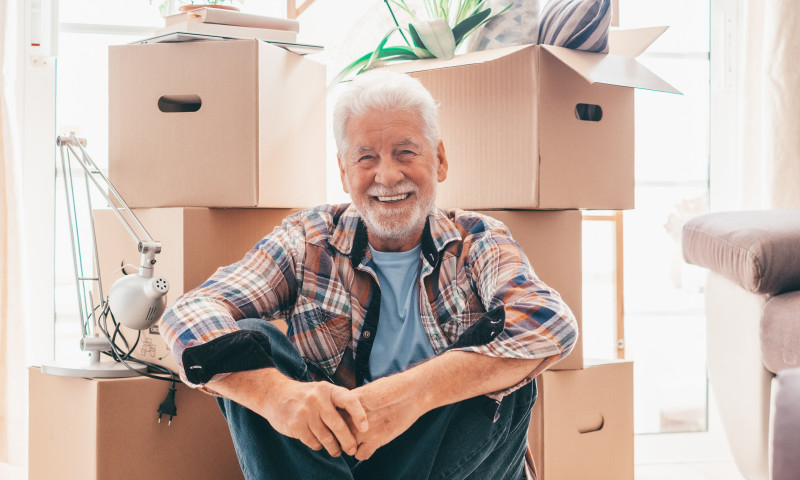
Retirement marks the beginning of a new life phase, one that can be rewarding, balanced, and fulfilling when approached intentionally. Many picture retirement as endless leisure, yet the most content retirees view it as an opportunity to reinvent themselves. The key to staying engaged is maintaining both social and mental stimulation through purpose-driven activities, learning, and meaningful relationships.
After decades of structured work, the sudden openness of time can be both liberating and unsettling. How you fill that space depends not only on your financial security but also on your sense of identity and connectedness. Staying mentally active has measurable benefits—consistent social interaction, for instance, can lower risks of cognitive decline by up to 30 percent according to several gerontological studies. The art of thriving in retirement lies in nurturing your curiosity, keeping a flexible schedule, and finding communities where you belong.
Understanding the Transition Into Retirement
Retirement often comes with mixed emotions. Even with ample savings and plans, many retirees face an initial adjustment as they shift from decades of external deadlines to self-directed days. During the first year, it is normal to experience excitement blended with uncertainty. The loss of daily structure and workplace relationships may leave a temporary void.
Start planning your retirement lifestyle before you stop working. Dedicate at least the final 12–24 months of employment to envisioning your post-career routine. Think through what you enjoy, what you miss about work, and how you want to spend your time. Create a list of interests, organizations, or educational goals. This kind of pre-retirement planning helps prevent the "now what?" feeling that many experience in their first few months out of the workforce.
Consider sharing this reflection with your partner or family members. Their support will help align expectations and encourage accountability. Some retirees ease into retirement through phased work schedules or consulting roles, maintaining intellectual activity while reducing hours. This gradual shift allows retirees to test new routines before fully committing to them.
Building a Vibrant Social Network
Human connection remains one of the strongest predictors of happiness and longevity. Without workplace interactions, retirees must intentionally create new social circles. The most successful approach blends old friendships with new community ties.
Begin locally by joining community groups that align with your passions. Whether it is a gardening club, hiking group, or neighborhood volunteer team, shared interests foster quick connections. Many retirees also join lifelong learning institutes, offered by universities such as those affiliated with the Osher Lifelong Learning Institute, where courses are designed specifically for older adults. Yearly memberships average around 200 dollars, making them an affordable investment in mental and social enrichment.
Volunteering can be deeply fulfilling. A 2023 national survey showed that retirees who volunteered three hours weekly reported a 25 percent higher sense of purpose compared to non-volunteers. Try working with food banks, tutoring programs, animal shelters, or hospital auxiliaries. Beyond helping others, volunteer work provides schedule consistency and bonds formed through shared service.
Technology can also bridge the gap. If distance separates you from loved ones, video chats and social media groups can preserve meaningful connections. Even occasional local meetups or digital hobby groups can provide a sense of belonging. For those uncomfortable navigating new technology, local libraries or senior centers often offer free workshops.
Lifelong Learning and Mental Fitness
Keeping the mind sharp is essential for long-term health and satisfaction. The brain, like a muscle, responds to challenge and novelty. Studies from the National Institute on Aging have shown that engaging in mentally stimulating activities—problem-solving games, reading, language learning—correlates with improved memory retention and slower cognitive decline.
Make learning a scheduled routine rather than an occasional event. Dedicate two to three weekly sessions for structured mental exercise. Consider learning a new language through free online platforms, or join a book club that meets monthly. Pursuing a degree or auditing classes at local colleges provides intellectual stimulation and a fresh peer community. Many universities allow retirees to attend classes at reduced or no cost.
Creative outlets are just as powerful. Activities such as painting, writing, or playing an instrument enhance neural connections and reduce stress. A retiree in her seventies once shared that joining a beginner art workshop not only helped her explore creativity but also connected her to a group of fellow learners who became close friends. Curiosity, not mastery, is the ultimate goal.
For those who prefer independent mental engagement, consider setting measurable goals—reading 20 books annually or completing a complex puzzle series. These objectives provide framework and motivation, similar to work-related achievements but tailored to personal development.
Maintaining Physical and Cognitive Health Together
Physical activity and mental health reinforce each other. Regular exercise supports neurological function by improving blood flow and reducing stress hormones. The Centers for Disease Control and Prevention recommend older adults engage in at least 150 minutes of moderate exercise per week, such as brisk walking or light swimming. Those who prefer community engagement might join a local walking club or yoga class for seniors.
Structured social exercise programs offer twofold benefits. Not only do they maintain physical strength, they foster accountability and friendship. Examples include recreational pickleball leagues or tai chi groups. The growing popularity of these activities comes from their emphasis on low-impact movement and connection over competition. Retirees who participated in consistent group activities reported better emotional stability and fewer doctor visits by the third year of retirement.
Combine physical activity with social intention whenever possible. Something as simple as walking with a neighbor each morning can become a life-enhancing ritual. Set realistic, flexible health goals, and consult your physician before changing routines, especially if managing chronic conditions.
Balancing Leisure and Purpose
The most rewarding retirements blend relaxation with purposeful engagement. Too much leisure without structure can lead to boredom, while constant busyness can cause stress. Aim for a balanced weekly rhythm that spreads time between relaxation, creativity, relationships, and learning.
Purpose need not mean pressure. Some retirees find new meaning through part-time consulting, seasonal employment, or mentorship. Small commitments like mentoring a young entrepreneur for two hours weekly can reinvigorate confidence and provide continued relevance. Others embrace home-based projects—caring for grandchildren or cultivating a garden—that carry their own sense of contribution.
Finances also play a role in maintaining purpose. Discuss with a financial advisor how to allocate discretionary funds for enriching experiences, such as volunteering abroad or attending skill workshops. Creating an annual "personal growth budget," even a modest one of 1,000 dollars, ensures you keep investing in your own well-being after retirement.
Adapting Social Engagement Through Different Stages of Retirement
Maintaining social and mental vitality is an evolving journey. The early retirement stage, typically the first five years, often feels like a period of exploration. You may be discovering which commitments fit your new lifestyle. Experiment freely during this time. Sample new activities, travel routes, and class formats. For instance, if you join three clubs in your first year and realize only one truly brings joy, treat that as valuable insight rather than failure.
Mid-retirement, roughly years six through fifteen, is about sustainability. Continue the activities that energize you, and refine your schedule to avoid overcommitment. This stage often coincides with life events such as the arrival of grandchildren or relocation to a new community. Stay proactive about forging new networks as your environment changes.
In later retirement, as physical limitations may increase, prioritize quality interactions over quantity. Consider online learning platforms, local senior discussion groups, or gentle movement classes. Periodically update your digital literacy skills so technology remains an ally in sustaining social ties. Embrace mentorship or storytelling roles—sharing your expertise strengthens younger generations and reinforces your legacy.
Across all stages, remember to review your financial strategy annually. Adjust resources to meet lifestyle needs and maintain flexibility for future care plans. Seasoned advisors often recommend keeping a year’s worth of living expenses in accessible accounts to allow freedom for hobbies and travel without market stress. Personal circumstances vary, so always confirm details with certified professionals.
Resources and Practical Tools
Several organizations provide valuable support for retirees seeking active engagement. The AARP maintains directories for community activities and volunteer programs nationwide. Many local community colleges operate senior education programs offering affordable non-credit classes. Libraries host free discussion series ranging from travel talks to creative writing circles.
Online resources can be equally beneficial. Platforms such as Meetup, Senior Planet, and Coursera offer ways to learn and connect. Some retirees find that participating in intergenerational online groups keeps their perspectives fresh. It is wise to set simple technology goals, such as learning one new platform every six months, to maintain digital comfort.
If traveling is within your means, consider combining social engagement with cultural immersion. Group travel programs designed for older adults, such as Road Scholar, provide both education and companionship. Participants report long-lasting friendships and renewed curiosity about the world.