For many retirees and soon-to-be retirees, the idea of converting a Traditional IRA to a Roth IRA sounds appealing, but it also brings uncertainty. You may wonder about the tax consequences, the timing, or whether it is even the right decision for you. The good news is that a Roth conversion can be a powerful long-term tool when approached thoughtfully. It helps create more flexibility in your future withdrawals and protects your income during retirement. Let’s take a close look at how to convert your Traditional IRA to a Roth IRA strategically and with minimal risk.
Understanding the Differences Between Traditional and Roth IRAs
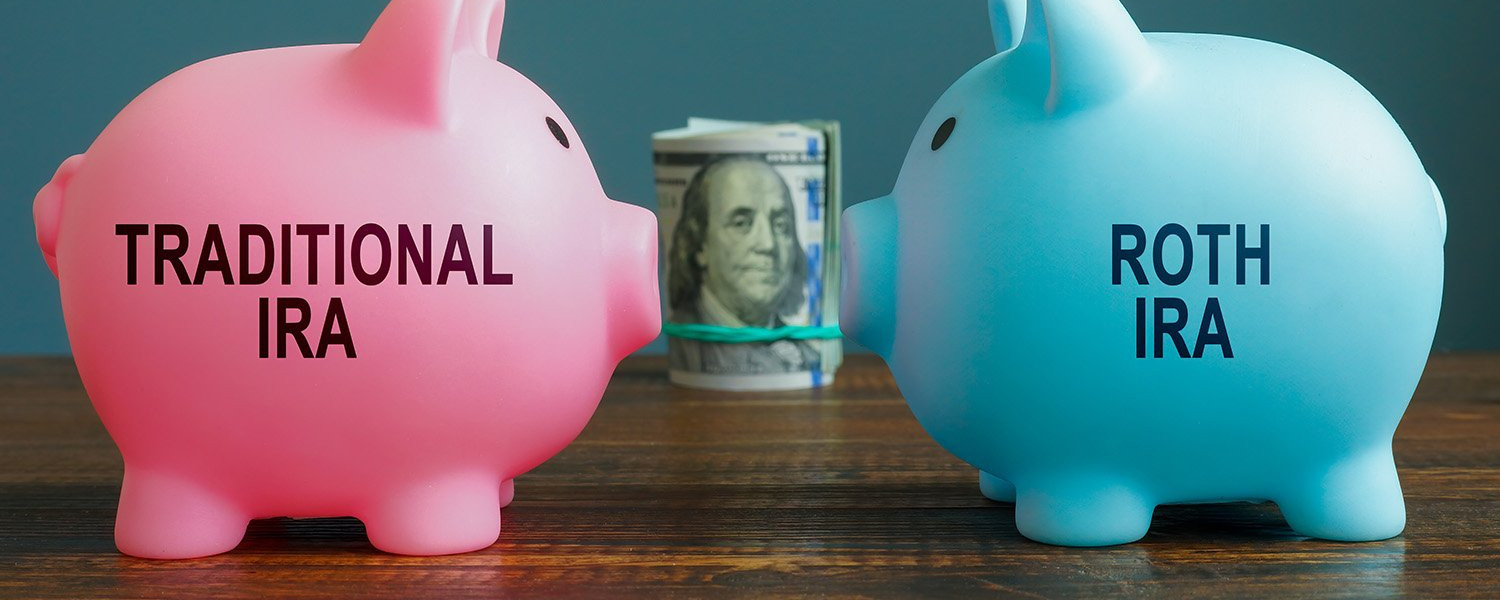
Before deciding to convert, it’s essential to understand how these accounts differ. A Traditional IRA allows for pre-tax contributions, giving you an upfront tax break today, but every withdrawal in retirement is taxed as ordinary income. In contrast, a Roth IRA requires after-tax contributions, meaning you pay taxes upfront, but qualified withdrawals later are completely tax-free. This difference may look small on paper, but it can make a significant impact depending on your future tax bracket and spending needs.
For example, imagine you have $200,000 in a Traditional IRA. If you convert that full amount to a Roth IRA, you’ll owe income taxes on that $200,000 for the year of conversion. However, all the growth after that and any withdrawals in retirement could be tax-free. Strategic conversion is about finding the balance between paying some tax now to potentially save far more later.
Why Consider a Roth Conversion?
There are multiple reasons to consider converting. One of the most common is the expectation that your tax rate will rise in the future, whether due to higher income, future tax law changes, or required minimum distributions (RMDs). A Roth IRA has no RMDs, offering you the ability to let your investments grow tax-free for as long as you wish. This level of control can make a significant difference for estate planning as well since heirs can generally withdraw Roth funds tax-free.
Another reason people consider conversion is flexibility. During retirement, when income may vary from year to year, having both pre-tax and post-tax accounts allows you to draw from whichever source makes the most sense for your current tax situation. Suppose you are 62 and in a low-income year, perhaps between jobs or early retirement before Social Security begins. In that case, converting some funds from your Traditional IRA to a Roth IRA could allow you to make the conversion at a lower tax cost than it might be later when your income rises again.
When and How to Convert Safely
Timing plays a critical role in a safe and cost-effective conversion. Rather than converting the entire balance at once, many advisors recommend spreading the conversion over several years. This approach prevents pushing you into a higher tax bracket and allows you to control how much income you recognize annually. For example, if you have $400,000 in your Traditional IRA, converting $100,000 per year for four years could help you stay within your current tax bracket and keep your tax burden more manageable.
Another practical timing strategy involves coordinating conversions with other financial events. If you plan to retire at 65 but won’t begin Social Security or pension payments until 67, those two years could represent a window of relatively low taxable income. Converting during that period can reduce the total tax impact of your conversions.
Mechanically, executing a conversion is straightforward but requires attention to detail. You can choose between a direct conversion, where funds move directly from your Traditional IRA to your Roth IRA, or an indirect conversion, where you receive the funds and must deposit them into your Roth IRA within 60 days. A direct conversion is typically safer because it avoids potential tax-withholding issues or early withdrawal penalties if timelines are missed.
Managing the Tax Impact
The biggest concern most people face with a Roth conversion is the tax bill that comes with it. Every dollar converted counts as taxable income for that year, so one must be careful to avoid unintentionally moving into a higher bracket. Before converting, use a tax projection tool or consult a tax advisor to estimate how much you can convert without pushing your income above a key threshold.
For instance, suppose your total taxable income before conversion is $85,000, and you’re married filing jointly. The top of the 22% bracket in 2024 is around $201,000, so you might choose to convert, say, $60,000 to keep your taxable income well within that bracket. This strategy helps manage your marginal rate and avoid paying unnecessary taxes.
Another practical tip is to pay the conversion tax from money outside the IRA. Using funds from the same IRA to pay taxes would reduce the amount that grows tax-free in the Roth and could trigger penalties if you are under 59½. Paying those taxes from a savings account or brokerage account is more efficient because you keep the full converted amount working for you inside the Roth.
Considering Your Time Horizon and Retirement Stage
The benefits of a Roth conversion generally increase with your time horizon. The longer your funds can remain invested inside the Roth, the more time they have to grow tax-free. Therefore, conversions often make the most sense for individuals in their 50s or early 60s who expect to hold their investments for at least 10 to 15 more years before drawing on them.
However, even for retirees in their late 60s or early 70s, partial conversions can help reduce future RMD burdens. Imagine a retiree with $1 million in a Traditional IRA at age 70. The first RMD at age 73 might be roughly $36,000 based on current tables, adding to taxable income and potentially increasing Medicare premiums. By converting a portion each year before hitting that RMD age, they can lower their future RMDs and smooth their overall tax load.
For younger investors, such as those in their 40s with rising income prospects, early conversions can be even more impactful. A $50,000 conversion now, invested for 25 years with a 6% annual return, could grow to around $215,000, all tax-free. The earlier you start, the more compounding works in your favor.
Common Concerns and How to Address Them
Many people hesitate because they fear making a mistake that costs them more in taxes than necessary. That concern is valid. A Roth conversion may not suit everyone, especially those who need near-term access to funds or expect to be in a much lower tax bracket in retirement. The key is to evaluate your full financial picture, including your income sources, savings outside retirement accounts, and healthcare timelines.
Another common worry is whether legislation could change the tax treatment of Roth IRAs in the future. While it’s impossible to predict tax law changes with certainty, Roth accounts have enjoyed favorable treatment for decades because they encourage individual saving. Keeping your strategy flexible by not converting everything at once mitigates future risks.
Health insurance considerations also come into play, especially before Medicare eligibility. Conversions increase your taxable income, which may impact your eligibility for Affordable Care Act subsidies or increase your premium costs. Working closely with a financial planner or licensed tax professional helps identify the right balance to maintain coverage while pursuing long-term tax benefits.
Practical Action Steps and Tools
Start by gathering information on your current income, retirement goals, and other assets. Free online calculators can help estimate the tax consequence of different conversion amounts. Then create a conversion schedule that aligns with your income goals each year. Most custodians allow you to convert easily online once you have a Roth IRA established.
As an extra safeguard, review your financial plan annually. Markets rise and fall, life circumstances change, and so can your ideal conversion amount. For instance, if a market correction reduces your Traditional IRA value by 20 percent, that could be an ideal time to convert more shares at a lower taxable cost, locking in future tax-free growth when values recover.
Lastly, involve your financial and tax professionals in the process. A Certified Financial Planner (CFP) or CPA can provide the projections and guardrails to ensure the move integrates smoothly with your broader plan. While it’s entirely possible to perform a Roth conversion on your own, expert guidance ensures you consider overlooked variables such as the impact on Social Security taxation or Medicare premium tiers.